17 November 2026 | Tuesday | News
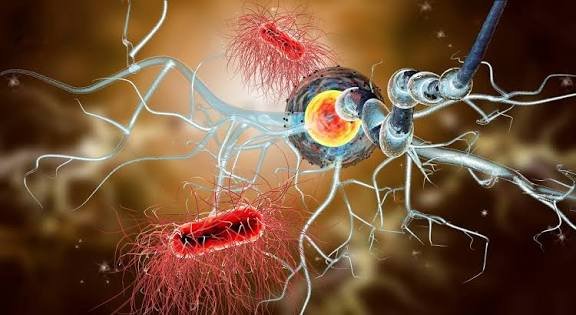
Image Source: Public Domain
FDA IND clearance opens a new era for Oculis in neurology, initiating clinical development in acute MS relapses by building directly upon the positive Phase 2 ACUITY trial and ongoing PIONEER program in optic neuritis
Oculis will host an R&D Day on December 8, 2026, to provide further updates on the development program for Privosegtor in acute MS relapses and the ongoing PIONEER program in optic neuropathies
Oculis Holding AG (Nasdaq: OCS / XICE: OCS) (“Oculis”), a global biopharmaceutical company focused on breakthrough innovations to address critical unmet medical needs in neuro-ophthalmology, neurology, and ophthalmology, announced that the U.S. Food and Drug Administration (FDA) has cleared the Investigational New Drug (IND) application for Privosegtor for the treatment of acute multiple sclerosis (MS) relapses.
The FDA clearance follows pre-IND feedback from the FDA Division of Neurology-2, which confirmed that Oculis can cross-reference data from the open Privosegtor ophthalmology-related IND. The FDA further supported the proposed clinical development strategy, which would include patients with Multiple Sclerosis (MS) who experience Optic Neuritis (ON) as well as other types of relapses, such as ambulatory relapses, and a primary endpoint as early as three months, using the same 3mg/kg daily dose for five days as in PIONEER-1.
Optic neuritis is frequently observed both as the initial clinical presentation of MS and during acute relapses, serving as a pathophysiological model of acute demyelination that is potentially generalizable to other acute MS relapses. In the completed Phase 2 ACUITY study, which evaluated a broad population of patients with ON, including those with and without MS, Privosegtor demonstrated a promising neuroprotective effect. Specifically, it improved visual function, preserved retinal ganglion cell (RGC) layer integrity, and reduced blood levels of both neurofilament light chain (NfL), a biomarker of axonal injury, and glial fibrillary acidic protein (GFAP), a biomarker of astrocytic activation.
Building on these positive findings, expanding into acute MS relapses is a natural evolution for the Privosegtor program. MS affects approximately 2.8 million people worldwide¹, with an estimated 170,000 relapses occurring annually in the U.S. alone⁷, representing both a significant clinical opportunity and a critical unmet need. While every relapse carries the risk of permanent nerve damage, current standard-of-care immunomodulators or disease-modifying therapies only shorten attack duration or reduce relapse frequency. Privosegtor has the potential to become the first neuroprotective therapy to actively preserve nerve integrity during acute MS relapses.
“This IND clearance marks a pivotal new era for Oculis in neurology as we advance Privosegtor from optic neuritis into acute MS relapses, addressing a high-unmet-need setting with no currently approved neuroprotective therapies," said Dr. Riad Sherif, Chief Executive Officer of Oculis. "Because optic neuritis is a common manifestation of MS relapse, our positive Phase 2 ACUITY results give us confidence in Privosegtor’s potential to limit neuroaxonal damage and support functional recovery following an acute attack. Building on the foundation of our PIONEER registrational program in optic neuritis, we are well-positioned to accelerate the clinical development of Privosegtor in this new indication. We value the FDA’s constructive engagement and are excited about the meaningful impact Privosegtor could have on patients experiencing optic neuritis and other MS relapses.”
Amit Bar-Or, MD, Professor of Neurology at the Perelman School of Medicine, University of Pennsylvania, said: “Even with effective immunomodulating therapies, many people with MS still experience relapses, and recovery from them is often incomplete. A treatment that protects neurons and axons during an acute relapse would fill a gap that no current care addresses. I am encouraged to see Privosegtor moving toward clinical development in acute MS relapses and beyond and look forward to seeing how the data evolve.”





© 2026 Biopharma Boardroom. All Rights Reserved.