10 February 2026 | Tuesday | News

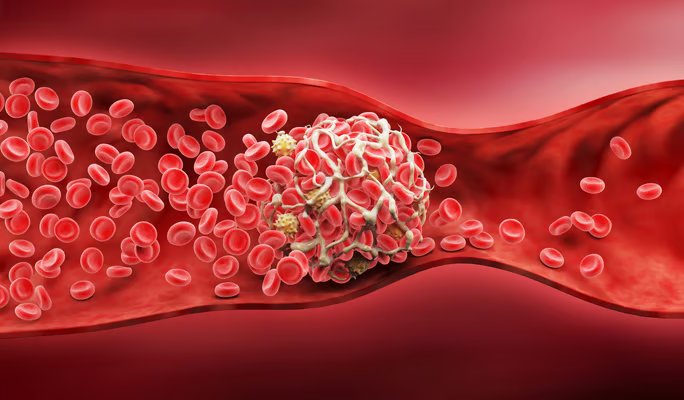
Bayer presented the results from the global, pivotal Phase III OCEANIC-STROKE study evaluating the use of its investigational, once-daily, oral, Factor XIa inhibitor asundexian (50mg) compared to placebo, both in combination with antiplatelet therapy. Asundexian significantly reduced ischemic stroke by 26% (csHR 0.74; 95% CI 0.65–0.84; p<.0001), in patients after a non-cardioembolic ischemic stroke or high-risk transient ischemic attack, with no increase in the risk of ISTH (International Society of Thrombosis and Hemostasis) major bleeding. These findings were consistent regardless of age or sex, index event (stroke or high-risk TIA), stroke subtype, NIHSS (National Institutes of Health Stroke Scale), and acute stroke therapy like thrombolysis or planned secondary prevention strategies SAPT or DAPT. The results were presented at the International Stroke Conference 2026 in New Orleans. OCEANIC-STROKE is the first successfully completed Phase III study of a Factor XIa inhibitor which demonstrated superiority in reducing recurrent ischemic stroke compared to placebo.
“A stroke is a life-changing event for patients and a major public health burden. The findings from OCEANIC-STROKE are a notable research achievement, demonstrating a substantial reduction in the risk of stroke with asundexian compared to placebo, alongside a sustained treatment effect and a safety profile with no observed increase in ISTH major bleeding,” said Mike Sharma, M.D., Principal Investigator of the OCEANIC-STROKE study, Michael G. DeGroote Chair in Stroke Prevention, McMaster University and Senior Scientist at Population Health Research Institute, a joint institute of McMaster University and Hamilton Health Sciences. “For clinicians and researchers who have spent decades working to reduce the global burden of secondary stroke, the OCEANIC-STROKE results represent the kind of scientific progress the field has long been striving to achieve.”
Alongside the primary findings, secondary endpoints showed asundexian reduced the risk of a stroke of any kind (ischemic and hemorrhagic) by 26% (6.6% vs. 8.8%; csHR 0.74; 95% CI, 0.65 to 0.84; p<.0001) compared to placebo. In addition, the following secondary efficacy endpoints were met for asundexian compared to placebo, both in combination with antiplatelet therapy: the composite endpoint of cardiovascular death, myocardial infarction (MI) or stroke, and the composite of death from any cause, MI or stroke.
For the safety analyses, there was no increase in the rate of ISTH major bleeding between asundexian compared to placebo (1.9% vs. 1.7%; HR 1.10; 95% CI, 0.85–1.44). For the pre-specified secondary safety endpoints, the risk of bleeding was similar compared to the rates seen in the placebo arm.
OCEANIC-STROKE enrolled all common stroke subtypes in its design, classified by the TOAST (Trial of Org 10172 in Acute Stroke Treatment) criteria. Among patients with an index ischemic stroke, the study enrolled patients with large-artery atherosclerosis (43%), small-vessel occlusion (lacune) (23%), stroke of undetermined etiology (30%), other determined etiology (3%), and cardioembolic stroke (2%). Across all TOAST subtypes evaluated, rates of recurrent ischemic stroke were lower with asundexian compared with placebo.
“The consistent reduction in secondary events with asundexian across all types of strokes included in the trial, is particularly striking,” said Ashkan Shoamanesh, M.D., Co-Principal Investigator of OCEANIC-STROKE study and PHRI senior scientist. “OCEANIC-STROKE was deliberately designed with the goal of making the findings generalizable to the many ways stroke presents in clinical practice. These results provide confidence that, if approved, asundexian could become an important option for secondary stroke prevention across a broad range of stroke patients.”
Each year, approximately 12 million people worldwide will experience a stroke, including nearly 800,000 people in the United States alone. Of these, 20-30% will be a recurrent stroke. Despite available secondary stroke prevention options, the risk of secondary stroke remains high. One in five stroke survivors will have another stroke within five years. Stroke is the second leading cause of death globally, and recurrent ischemic strokes tend to be more disabling and carry a higher mortality risk than the first stroke.
“OCEANIC-STROKE marks an important milestone that reflects the scientific ambition of Bayer and the global study teams who came together to challenge the boundaries of stroke prevention research,” said Yesmean Wahdan, M.D., Senior Vice President, U.S. Medical Affairs, Bayer. “To share these results with the global stroke community is deeply rewarding and underscores Bayer’s continued commitment to advancing aspirational research in areas of thrombotic disease. Most importantly, we know these efforts may matter most for the many stroke survivors for whom reducing the risk of another stroke remains an urgent need.”
Asundexian has been granted Fast Track Designation by the U.S. Food and Drug Administration (FDA) as a potential treatment for stroke prevention in patients after a non-cardioembolic ischemic stroke. Asundexian is an investigational compound and has not been approved by any health authority for use in any country for any indication.




© 2026 Biopharma Boardroom. All Rights Reserved.