09 June 2026 | Tuesday | Expert Opinion

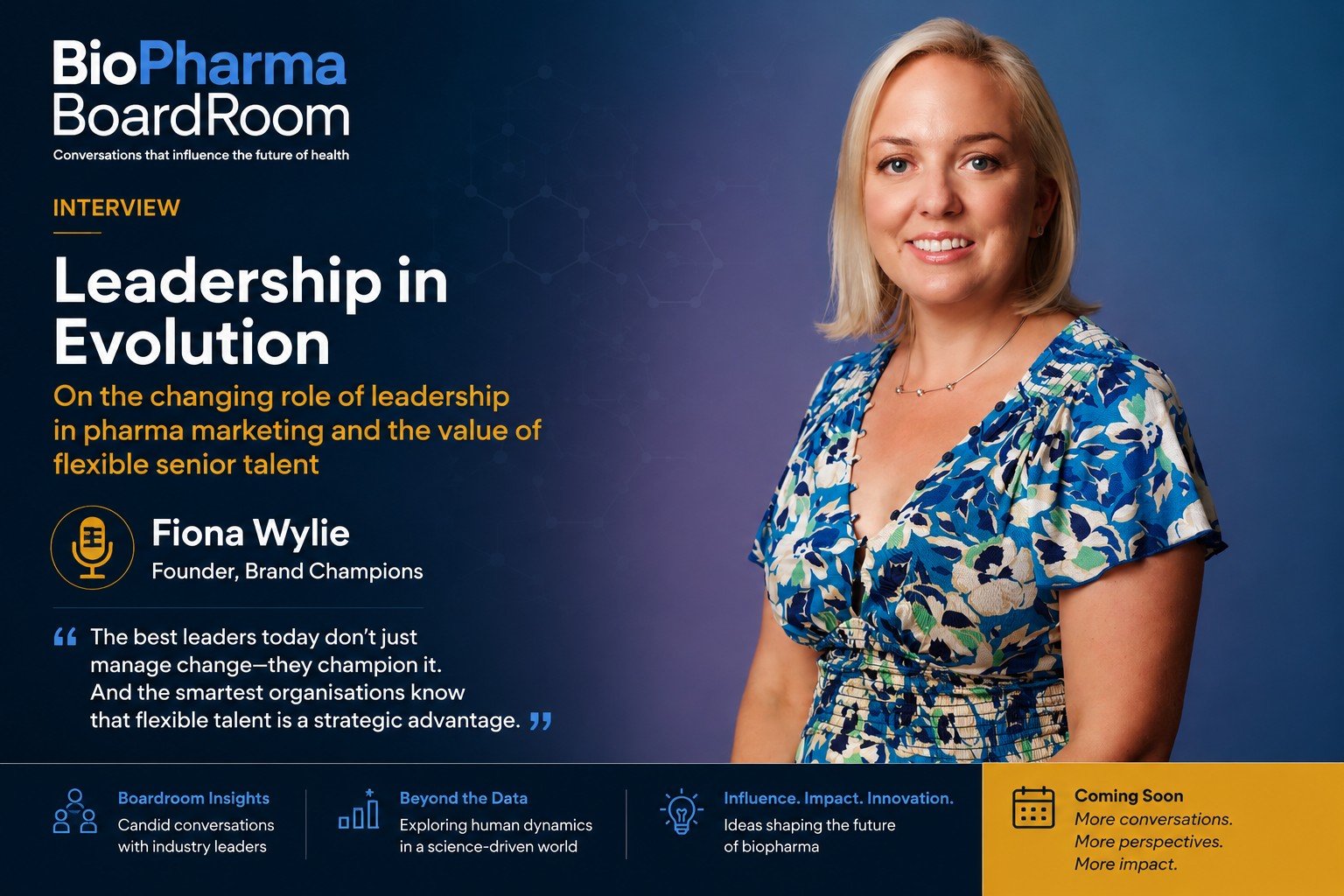
As real-world evidence assumes a growing role in oncology research, regulatory evaluation, and clinical decision-making, the quality of underlying data has never been more important. Sarah Spark, MHA, MBA, Director of Clinical Data Quality at Ontada, is focused on advancing data integrity across large community oncology datasets. In this conversation with BioPharma Boardroom, she explores the challenges of maintaining data consistency at scale, the value of clinically relevant edit checks, and the innovations that will shape the future of oncology data quality.
Why is clinical data quality becoming increasingly critical as oncology real-world evidence gains greater influence in research and regulatory decision-making?
A: As oncology real-world evidence plays a larger role in research and regulatory decisions, maintaining high-quality data is critical for making sound, evidence-based decisions.
Can you explain how clinically relevant edit checks improve the integrity and usability of oncology datasets?
A: Clinically relevant edit checks strengthen oncology data sets by identifying implausible or inconsistent clinical values before they affect analysis. Examples of these would include resectability, treatment sequencing and medication discrepancies, which improve both data integrity as well as usability.
What are the most common data consistency or completeness challenges encountered in large oncology databases?
A: Some of the most common challenges include missing staging and biomarker data, inconsistent disease progression documentation, variable treatment line assignment, and differences in documentation practices across sites. These gaps can reduce confidence in analysis and limit the usefulness of real-world oncology evidence.
How can healthcare organizations balance data standardization with the realities of diverse clinical workflows?
A: Healthcare organizations can balance standardization workflow diversity by defining core oncology data elements, using flexible documentation tools and aligning quality checks with real-world clinical practice. The goal is basically to improve consistency without creating any unnecessary burden for care teams.
As oncology datasets continue to expand, what innovations will be most important for ensuring long-term data reliability and scalability?
A: The most important innovations will include AI-assisted abstraction, stronger validation frameworks, standardized oncology data models, and ongoing quality monitoring. Together, these approaches can improve scalability while preserving the accuracy and reliability needed for research, regulatory use, and patient care.
###



© 2026 Biopharma Boardroom. All Rights Reserved.