23 June 2026 | Tuesday | Interview | By editor@biopharmaboardroom.com
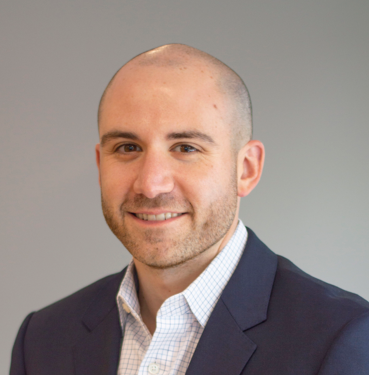
BIO 2026, taking place June 22–25 at the San Diego Convention Center, comes at a pivotal moment for emerging biotech companies. While scientific innovation continues to accelerate, many organizations are rethinking how they build the operational foundations needed to reach the clinic. Manufacturing infrastructure, once viewed as a long-term investment, is increasingly being evaluated through the lens of flexibility, capital efficiency, and strategic control. In this BioPharma Boardroom interaction, Nick Mazzucca, Co-Founder and Senior Vice President of Chrysalis, shares his perspective on the evolving development landscape and explains why adaptable manufacturing models are becoming a critical advantage for the next generation of biotech innovators
Chrysalis is focused on accelerating translational development. What gaps in the biotech ecosystem are you aiming to solve most urgently?
The biggest gap we see is the disconnect between scientific innovation and the manufacturing infrastructure required to advance it. Early-stage biotech companies are doing extraordinary science, but they're forced to make a binary infrastructure choice that doesn't fit the realities of their programs. Either they commit tens of millions to building dedicated GMP facilities before their science has been clinically de-risked, or they hand their program to a CDMO and accept long lead times, capacity constraints, and reduced control over their process and IP.
Neither option is well-suited to companies operating in capital-constrained environments with uncertain timelines. The result is that promising therapies move slower than they should, and companies make infrastructure decisions that consume capital that would otherwise advance the science.
Our cleanroom hosting model addresses this directly. We provide dedicated GMP-ready space and operational support so companies can manufacture on their own terms, without the capital burden of building a facility or the tradeoffs of full outsourcing. The infrastructure flexes with the program rather than forcing the program to fit the infrastructure.
How can emerging biotech companies better bridge the gap between promising science and successful clinical execution?
The companies that bridge this gap most successfully tend to share a few characteristics. They make infrastructure decisions that preserve optionality rather than lock them into rigid commitments. They allocate capital toward the milestones that actually de-risk their programs, clinical data, regulatory progress, evidence of efficacy, rather than toward fixed assets that don't move those milestones. And they recognize that manufacturing decisions made too early, before the science has been validated, can constrain everything that comes after.
The companies that struggle often do so because they've over-committed to infrastructure or supply arrangements before they had clarity on what their program actually needed. A facility built for a process that later changes, or a CDMO commitment that no longer matches the company's pace, becomes a financial and operational drag rather than an enabler.
The most useful mindset shift is treating manufacturing infrastructure as a strategic lever that should flex with the program, not as a one-time capital decision. That's the principle our model is built around, but it applies regardless of which partner a company chooses to work with.
What therapeutic areas currently offer the greatest opportunity for breakthrough innovation?
The most exciting work happening right now is in genetic medicine. The field has moved meaningfully beyond the first generation of cell and gene therapies, and we're seeing real progress in approaches that edit genes directly inside the patient rather than requiring complex ex vivo manipulation. If those approaches continue to deliver, they could fundamentally change how genetic medicine is developed, delivered, and accessed.
I'm also excited by the expansion of cell therapy into areas beyond oncology. Some of the most interesting early data is in autoimmune disease, where therapies originally developed for cancer are showing potential to produce durable responses in conditions that have historically been managed rather than treated. The patient populations that could benefit are substantial.
Beyond specific modalities, what's most promising is the pace of convergence across the industry. Discovery is faster. Delivery is improving. Regulatory pathways are adapting to new modalities. The science is moving quickly, and the companies driving it forward are often smaller, earlier-stage organizations that need to be able to move just as fast.
How is the investment environment influencing biotech development strategies in 2026?
Capital efficiency has become a defining requirement rather than a secondary consideration. Investors are looking for companies that can demonstrate clear progress toward value-inflecting milestones with disciplined capital deployment. That's reshaping how companies think about every major spending decision, and manufacturing infrastructure is one of the largest.
A few years ago, building a dedicated facility was sometimes viewed as a signal of commitment and scale-readiness. Today, it's increasingly viewed as a capital allocation that needs to be justified against the alternative of putting that money into clinical advancement or additional indications. Boards and investors are asking sharper questions about whether infrastructure investment actually accelerates the program or simply consumes runway.
This shift is driving real interest in flexible models. Companies want to preserve capital for the work that moves the program forward, while still maintaining the GMP capability they need to advance to clinic and beyond. That's the conversation we have with prospective partners almost daily, and it's the conversation that will shape the next several years of biotech operations.
What advice would you give startups attending BIO 2026 seeking the right strategic and development partners?
The most important question to ask any potential partner is whether their model is structured to serve your program's success or their own utilization economics. Many infrastructure and service providers in this industry are optimized to fill capacity, which means they need long commitments and predictable volume to make their model work. That's fine when your program fits that profile, but it can be limiting when your timelines shift, your priorities change, or your science evolves, which it inevitably will.
Look for partners whose interests genuinely align with yours. Ask how their model performs when your program faces a delay or a pivot. Ask what happens to your manufacturing capacity if your clinical timeline extends. Ask how much control you retain over your process and IP. The answers to those questions tell you more about the partnership than any discussion of capabilities or pricing.
I'd also encourage startups to think carefully about optionality. The right partner at Phase I may not be the right partner at Phase III, and locking into rigid arrangements early can limit your ability to adapt. Look for flexibility, transparent terms, and a model that scales with your program rather than constraining it.



© 2026 Biopharma Boardroom. All Rights Reserved.