07 September 2026 | Monday | News

Thryv Therapeutics Inc. ("Thryv"), a clinical-stage biopharmaceutical company advancing selective SGK1 inhibitors, announced that it has entered into an exclusive, worldwide, royalty-bearing patent and know-how license agreement with the Spanish National Research Council (Consejo Superior de Investigaciones Científicas, "CSIC"), the Autonomous University of Madrid (Universidad Autónoma de Madrid, "UAM") and Fundación de la Universidad Autónoma de Madrid ("FUAM"). The agreement became effective on July 1, 2026. Thryv holds rights across all fields of use and in all territories, with the right to sublicense.
A second chemical scaffold
Thryv's existing clinical SGK1 inhibitor candidates were built through independent medicinal chemistry on a single in-licensed scaffold, supported by a library of more than 500 synthesized analogs and a granted selection patent estate. The CSIC/UAM series is a distinct chemotype arising from an entirely separate discovery program, a genuinely new starting point rather than an extension of the existing series. Adding a second independent series gives Thryv the ability to match chemistry to indication, continuing to optimize its current molecules for cardiac and cardiometabolic diseases while developing compounds designed from the outset to reach the brain.
Opening the neurodegeneration opportunity
The licensed invention was developed by research groups with complementary expertise directly relevant to that ambition: the medicinal chemistry group led by Dr. Ana Martínez and Dr. Carmen Gil and the cardiovascular group led by Dr. Eduardo Oliver Pérez at CSIC's Centro de Investigaciones Biológicas Margarita Salas, together with the neurobiology group led by Dr. Isabel Lastres-Becker at UAM's Institute for Biomedical Research and the vascular pharmacology group led by Dr. Ana Briones Alonso at UAM's Department of Pharmacology.
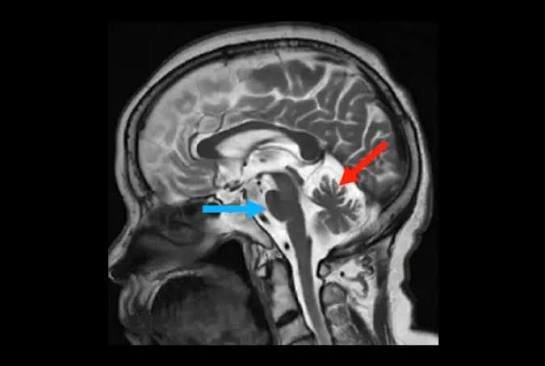
Activated SGK1 sits at the intersection of several pathways central to neurodegeneration. Published work has implicated the kinase in tau phosphorylation, in the handling of misfolded and aggregating proteins, in neuroinflammatory signaling, and in FOXO- and NRF2-dependent cellular stress responses. This disease biology is directly relevant to Parkinson's disease, Alzheimer's disease and related tauopathies.
"This is a genuinely exciting day for Thryv," said Debra Odink, President and Chief Development Officer of Thryv Therapeutics. "We have spent years building conviction that SGK1 is one of the most underexploited targets in medicine, and we have proven we can turn that conviction into clinical assets. What this license gives us is a second, independent chemical foundation: new scaffolds, new molecules, and the ability to go after diseases our current chemistry was never designed to reach. Very few companies of our size get to expand their platform this decisively."
"The work coming out of CSIC and UAM is exceptional, and the teams behind it are among the best in Europe at this intersection of chemistry and neurobiology," Odink added. "Parkinson's and Alzheimer's disease remain two of the hardest problems in drug development. We now have a credible, systematic way to bring SGK1 biology to bear on them, while our cardiac programs continue to move forward at full speed."




© 2026 Biopharma Boardroom. All Rights Reserved.