02 March 2026 | Monday | News
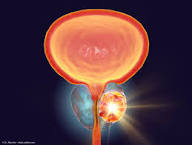
-Bayer announced results from the ongoing global Phase I first-in-human, dose-escalation PAnTHa study (NCT06217822) evaluating the safety, tolerability and preliminary efficacy of 225Ac-PSMA-Trillium (BAY 3563254), a next-generation targeted alpha therapy (TAT) in patients with advanced metastatic castration-resistant prostate cancer (mCRPC). The dose for expansion was successfully identified, with ≥80% of patients achieving a PSA50 response at the expansion dose.
New data were presented during the 2026 American Society of Clinical Oncology Genitourinary Cancers Symposium, taking place in San Francisco, CA, United States, from February 26-28, 2026. These clinical data represent the first disclosure for 225Ac-PSMA-Trillium and were selected as part of the rapid oral session focused on advanced prostate cancer research. They support advancing 225Ac-PSMA-Trillium to the next phase of clinical development. TAT is a strategic pillar of precision oncology at Bayer, with the potential to accelerate novel treatment options for patients with mCRPC.
“We are excited to see the results from the Phase I PAnTHa study demonstrating the potential of our next-generation targeted alpha therapy to provide new treatment options for patients with advanced metastatic castration-resistant prostate cancer (mCRPC), a type of cancer with limited treatment options and poor prognosis,” said Dominik Ruettinger, M.D., Ph.D., Head of Research and Early Development for Oncology at Bayer’s Pharmaceuticals Division. “The development of 225Ac-PSMA-Trillium confirms our ongoing focus on prostate cancer treatment and continued drive to develop precise and personalized healthcare solutions.”
“Despite progress, patients with metastatic castration-resistant prostate cancer continue to face high mortality, highlighting the urgent need for new precision therapies," said Fred Saad, MD, FRCS, Professor and Chairman of Surgery at the University of Montreal and Director of Genitourinary Oncology at the University of Montreal Hospital Center (CHUM), Canada. "The promising data support the further investigation of this molecule to provide a potentially meaningful clinical benefit for patients with mCRPC."
225Ac-PSMA-Trillium (BAY 3563254) is a next-generation investigational TAT labeled with actinium-225 and comprising a novel PSMA (prostate-specific membrane antigen)-targeting small molecule with a customized albumin-binding moiety. The compound is designed specifically to increase uptake within the tumor, with the goal to provide a differentiated safety and efficacy profile.
Prostate cancer is the second most commonly diagnosed cancer in men with less than three years median survival among metastatic patients, who have developed castration-resistance. There is an increasing unmet need to improve the outcomes of men with mCRPC.6




© 2026 Biopharma Boardroom. All Rights Reserved.