22 July 2026 | Wednesday | News
ARUP Laboratories announced the launch of ARUP CLARISPECT™ Multiple Myeloma MRD by Spectral Flow Cytometry. The new assay will characterize small neoplastic populations with greater confidence and sensitivity than conventional flow cytometry, providing deep minimal residual disease (MRD) profiling for patients who have multiple myeloma.
ARUP is the first large reference laboratory in the United States to offer spectral flow technology for clinical use.
"We are harnessing a technology that's relatively new in the diagnostic space," said Madhu Menon, MD, PhD, FCAP, FASCP, head of clinical operations for Hematopathology at ARUP. "By offering a superior technique with higher sensitivity, we will directly impact a subset of patients who otherwise would not have been identified as MRD positive."
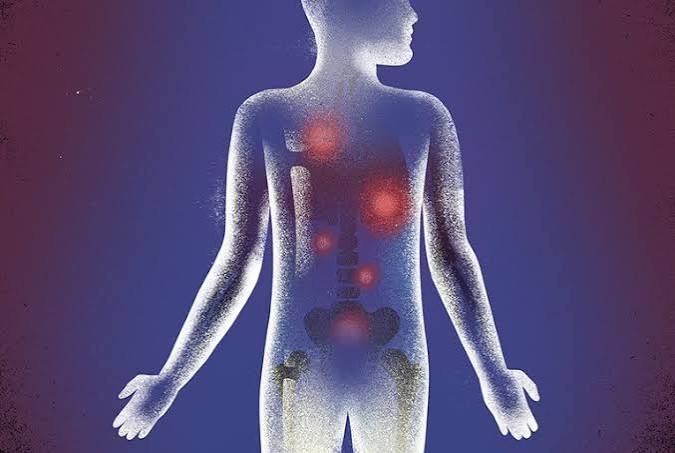
Multiple myeloma, a cancer of plasma (white blood) cells that produce antibodies, affects approximately 202,000 individuals in the United States, based on 2023 data. The American Cancer Society estimates that 36,000 new cases will be diagnosed in 2026.
MRD assessment is critical for the evaluation of treatment efficacy, as well as prognostication and risk stratification. MRD status is closely associated with clinical outcomes because higher levels of residual disease indicate increased likelihood of relapse.
In addition, "We will be able to detect the reemergence of disease at an earlier timepoint, which will then facilitate more informed decisions at an earlier timepoint," Menon said.
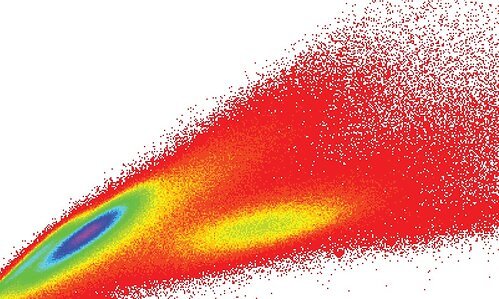
Spectral flow cytometry technology captures emission data across the full spectrum of light, making it possible to interrogate more than 40 markers simultaneously. The assay for multiple myeloma will assess 18 markers. By consolidating all relevant markers into a single tube, the assay also requires less specimen volume, which is critical for difficult-to-obtain specimens such as bone marrow.
"The number of antigens we can bring to bear will facilitate easier interpretation and, by extension, greatly increase our sensitivity," said David Ng, MD, FCAP, ARUP medical director of Hematopathology, Hematologic Flow Cytometry, and Applied Artificial Intelligence and Bioinformatics.
CLARISPECT Multiple Myeloma MRD can identify extremely low levels of residual disease, detecting as few as 14 neoplastic cells in a population of 5 million analyzed cells with 95% confidence, Ng said.
"We see large volumes with high complexity cases, including rare diseases," said Tracy George, MD, ARUP chief scientific officer and president of the Innovation Business Unit. "This ensures not only the breadth and depth of our validation, but also the quality of our interpretations."
As an academic reference laboratory with more than 40 years of experience at the forefront of diagnostic medicine, ARUP has been a longtime leader in test development for hematologic disorders.
"We are always pushing the envelope to develop better techniques that improve our ability to diagnose disease," George said. "The launch of CLARISPECT demonstrates our commitment to innovation and to patient care."




© 2026 Biopharma Boardroom. All Rights Reserved.