22 September 2026 | Tuesday | Interview
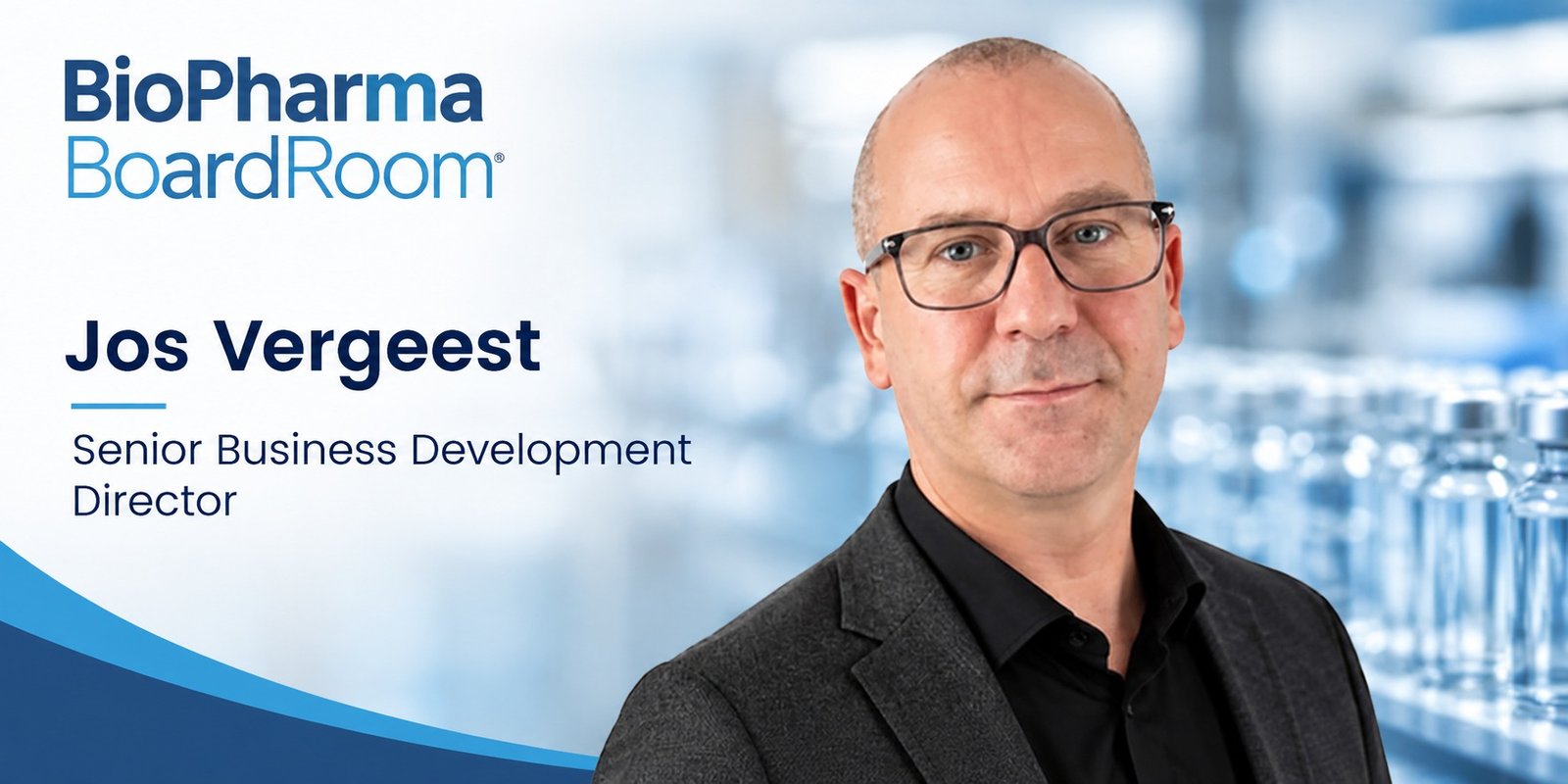
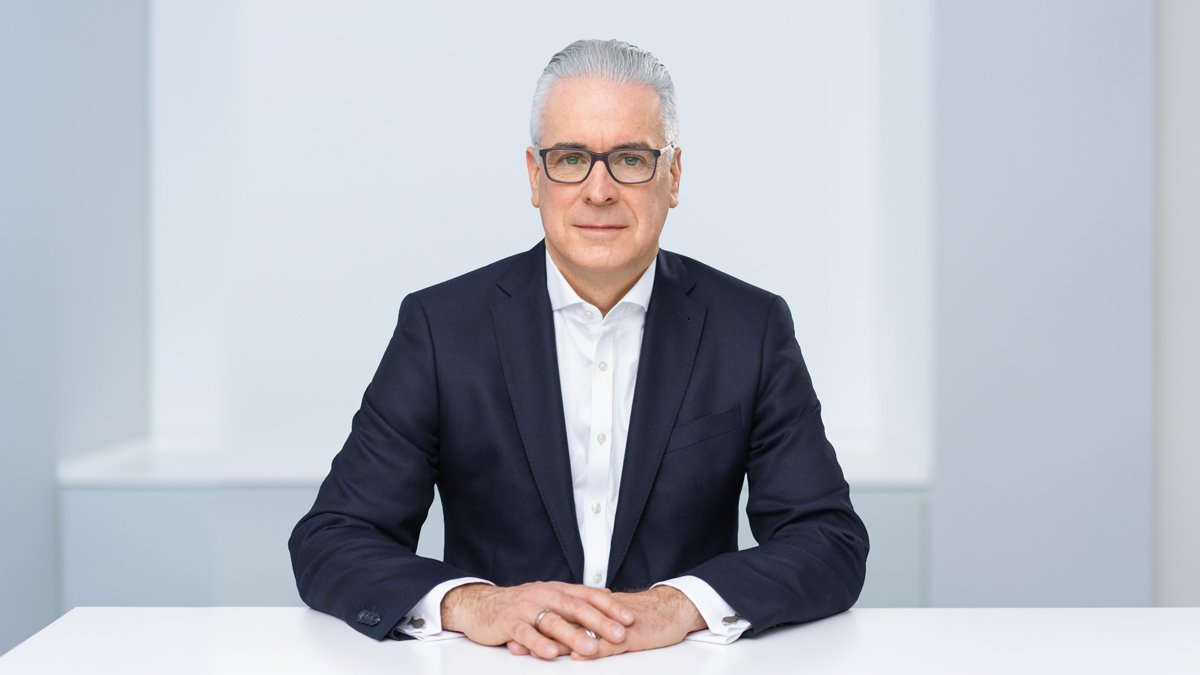
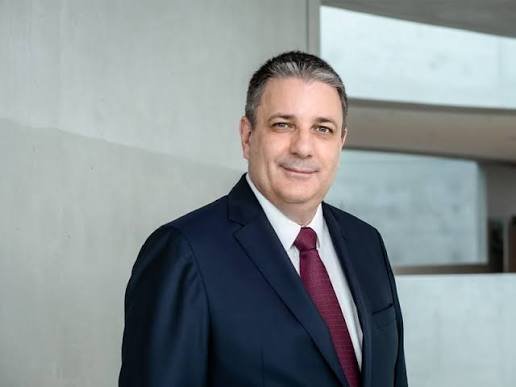
Symbiosis Pharmaceutical Services is entering a new phase of growth following a £26 million investment to expand its sterile manufacturing capacity and support larger-scale clinical and commercial programmes. In this BioPharma BoardRoom interview, Jos Vergeest, Senior Business Development Director, discusses his appointment and the company’s plans to build on its specialist aseptic fill-finish capabilities. He also explores demand across the Benelux and DACH markets, the shift from transactional outsourcing towards strategic CDMO partnerships, and why flexibility, communication and supply resilience are becoming increasingly important to pharmaceutical and biotech companies.
You bring three decades of experience across pharmaceutical companies and CDMOs. What attracted you to Symbiosis Pharmaceutical Services, and what do you see as the biggest opportunity in your new role as Senior Business Development Director?
This is a particularly exciting time to join Symbiosis. The company is gearing up for a new phase of growth, with the expansion realised through the Bruce building there is a great opportunity to take on new and larger-scale projects than before and to increasingly support programs moving into the commercial phase. This fits very well with previous experiences, for example when I worked in a start-up CDMO that expanded into a brand new and big facility. I have walked this path before, and I have learned what it takes to get there. The size and phase that Symbiosis is currently in felt like a really good fit for me. Next to that, Symbiosis is known for its true flexibility, open and transparent communication with clients, and a people-oriented and customer-centric approach. This is the kind of company culture where I thrive, so I felt very strongly that joining Symbiosis would be a good choice to make for me.
Symbiosis is investing £26 million to expand its sterile manufacturing capacity. How will this investment strengthen the company’s ability to support larger-scale clinical and commercial programmes, and where do you see the greatest growth opportunities?
In the past the focus of Symbiosis had been more on smaller biotech companies in early clinical stages. Now we will be able to also service programs in later clinical stages and for commercial supply. The new facility helps us to position us in this field much stronger. Partly we are able to accommodate existing clients when they are advancing into later clinical stages, but we will also be able to attract new clients, or to provide dual-sourcing opportunities for companies that are already in a commercial phase.
Symbiosis is investing £26 million to expand its sterile manufacturing capacity. How will this investment strengthen the company’s ability to support larger-scale clinical and commercial programmes, and where do you see the greatest growth opportunities?
In the past the focus of Symbiosis had been more on smaller biotech companies in early clinical stages. Now we will be able to also service programs in later clinical stages and for commercial supply. The new facility helps us to position us in this field much stronger. Partly we are able to accommodate existing clients when they are advancing into later clinical stages, but we will also be able to attract new clients, or to provide dual-sourcing opportunities for companies that are already in a commercial phase.
You will have a particular focus on the Benelux and DACH regions. What are pharmaceutical and biotech companies in these markets currently looking for from aseptic fill-finish CDMO partners?
The Benelux and DACH regions hold very active eco-systems for the life sciences industry, a lot of innovation is taking place, providing lots of opportunities. There is a lot of great science out there, but making the way to the clinic and eventually to commercial supply requires so much more. Drug Product Manufacturing is often underestimated, where companies are often fully focused on first obtaining their Drug Substance, and then tend to forget a bit about that last step before a patient can really be administered a certain drug. Having a CDMO that ensures a quick and smooth tech transfer and offers rapid access to Drug Product manufacturing slots is of a big help.
Having worked with organisations including GSK, AstraZeneca, HALIX and Wacker Biotech, how have pharmaceutical companies’ expectations of CDMO partnerships changed over the past decade?
The CDMO business is changing for a transactional model, fee-for-service, into a real partnership model. Manufacturing of new modalities have become more complex, timelines have become more pressing than ever. Companies will work with CDMO's that can really act as a genuine partner.
Flexibility, responsiveness and communication are increasingly important in CDMO relationships. What differentiates a genuinely strategic CDMO partnership from a traditional outsourcing arrangement?
With all uncertainty that comes with developing new therapies it is crucial for companies to work with partners that can deliver these real partnerships and true flexibility. For me, partnerships starts with real listening, being responsive, understanding different perspectives, and building mutual trust. Once that foundation is in place, people can work together effectively, overcome challenges, and turn ideas into results. Flexibility must be provided not only in the planning of manufacturing slots, but also in the way you handle contracting, or scope changes, or setbacks in the program. And as it is people' work, you need to have an organization culture where this mentality is deeply embedded, while the focus on uncompromising quality remains a key priority.
Looking ahead, what major trends do you expect to shape pharmaceutical outsourcing and aseptic fill-finish manufacturing over the next three to five years, and how is Symbiosis positioning itself to respond?
After the pandemic we have seen funding became less available for a lot of biotech companies with the focus shifting towards funding of programs that were already in later stages. Higher interest rates and economic uncertainty were also playing a role here. Now we see that funding is beginning to return however investors are setting a higher bar than in the past. From CDMOs are expected to offer real depth in their capabilities, the sole offering of capacity is not enough anymore.
Also, a regionalisation is taking place. The pandemic has shown how vulnerable global supply chains can be, and how important it is to have also regional supply, or an alternative supply for crucial products. With a focus on a wide range of modalities, offering smaller and larger batch sizes, clinical and commercial supply, and our investments in labs and warehouses, Symbiosis offers real depth for sterile injectables manufacturing under GMP.



© 2026 Biopharma Boardroom. All Rights Reserved.