05 June 2026 | Friday | News
Nxera Pharma Co., Ltd. (“Nxera” or the “Company”) announces that the Ministry of Food and Drug Safety (MFDS) of the Republic of Korea has granted Orphan Drug Designation (ODD) and Global Innovative Products on Fast Track (GIFT) designation to vamorolone for the treatment of Duchenne muscular dystrophy (DMD). The Company plans to submit a Marketing Authorization Application (MAA) for vamorolone in South Korea during 2026.
MFDS's ODD framework applies to medicines intended for diseases affecting fewer than 20,000 patients in South Korea, for diseases with no available alternative treatment, or for medicines that demonstrate significantly improved safety and efficacy compared with existing treatments. The ODD for vamorolone was granted following MFDS's determination that the product meets the designation criteria stipulated under the “Regulation on Orphan Drug Designation.” The designation formally recognizes that, in Korea, DMD is a rare disease for which no established treatment is currently available.
The GIFT designation is a priority review pathway introduced by MFDS in September 2022 to accelerate the regulatory review of innovative medicinal products targeting life-threatening or serious diseases, including rare diseases. Under the GIFT framework, the standard MFDS review timeline of 120 working days may be shortened to up to 90 working days through rolling review and close communication with reviewers, potentially helping accelerate patients access to innovative therapies in South Korea. Nxera believes that the GIFT designation for vamorolone will help accelerate access to this medicine for DMD patients in South Korea.
Mr. MinBok Lee, President and Representative Director of Nxera Pharma Korea, commented: "We are very pleased that vamorolone has received both ODD and GIFT designations from MFDS within a short period. These designations reflect the significant unmet medical need faced by patients with Duchenne muscular dystrophy in South Korea and the importance of accelerating access to innovative treatment options. We remain fully committed to working closely with the authorities to bring vamorolone to patients in Korea as quickly as possible.”
About Duchenne Muscular Dystrophy
Duchenne muscular dystrophy (DMD) is a rare inherited X-chromosome-linked disease, which almost exclusively affects males. DMD is characterized by inflammation which is present at birth or shortly thereafter. Inflammation leads to fibrosis of muscle and is clinically manifested by progressive muscle degeneration and weakness. Major milestones in the disease are the loss of ambulation, the loss of self-feeding, the start of assisted ventilation, and the development of cardiomyopathy. DMD reduces life expectancy to before the fourth decade due to respiratory and/or cardiac failure.
About vamorolone
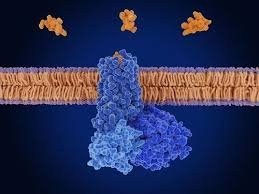
Vamorolone is a dissociative corticosteroid approved for the treatment of Duchenne muscular dystrophy (DMD). It binds selectively to the glucocorticoid receptor and triggers anti-inflammatory activity through inhibition of NF‑κB-mediated gene transcription, while inducing reduced transactivation of other genes [1]. Vamorolone is not a substrate for 11‑β-hydroxysteroid dehydrogenase (11β-HSD) enzymes, which are involved in the local amplification of glucocorticoid activity in tissues and have been implicated in corticosteroid-associated toxicity [2,3]. This pharmacological profile is the basis for its classification as a dissociative corticosteroid, designed to preserve anti-inflammatory efficacy while reducing the systemic effects associated with long-term conventional corticosteroid therapy [1–3].
In the pivotal Phase 2b VISION-DMD study, vamorolone met its primary endpoint, demonstrating a statistically significant improvement in Time to Stand (TTSTAND) velocity versus placebo at 24 weeks (p = 0.002) [4]. The most commonly reported adverse reactions were cushingoid features, vomiting, weight increase, increased appetite, and irritability; most were mild to moderate in severity [1].
Long-term data from up to eight years of vamorolone treatment were presented at the Muscular Dystrophy Association (MDA) Clinical & Scientific Conference in March 2026[5,6]. In propensity-matched analyses, vamorolone demonstrated durable efficacy comparable to standard-of-care corticosteroids and a differentiated safety profile: a lower incidence of vertebral fractures versus deflazacort-treated cohorts (8.1% vs 41.9%; p = 0.0082) [5]; maintained normal growth trajectory with a mean height advantage of 12.17 cm versus conventional corticosteroids (p < 0.0001) [5,6], and a lower incidence of cataracts versus deflazacort (p = 0.015), with no observed cases of glaucoma [5].



© 2026 Biopharma Boardroom. All Rights Reserved.