22 June 2026 | Monday | News
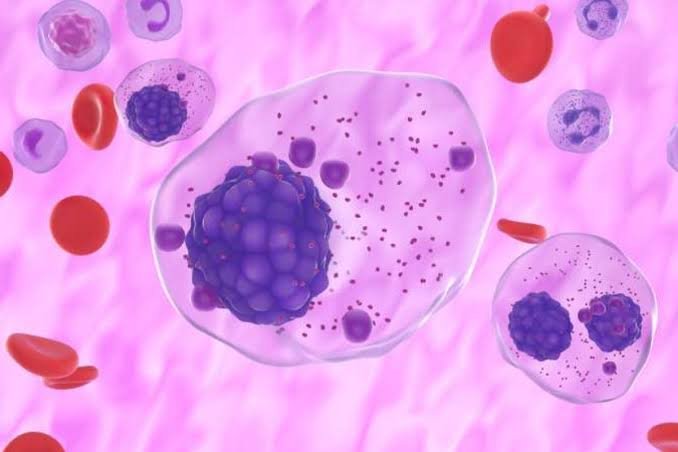
Sanofi’s Sarclisa subcutaneous formulation approved in Japan for patients with multiple myeloma
The Ministry of Health, Labour and Welfare in Japan has granted approval for Sarclisa (isatuximab) subcutaneous (SC) formulation in combination with approved standard-of-care regimens for the treatment of multiple myeloma (MM). The approved indications for Sarclisa SC in Japan include in combination with pomalidomide and dexamethasone (Pd), or with carfilzomib for the treatment of relapsed or refractory MM (R/R MM) and in combination with bortezomib, lenalidomide, and dexamethasone (VRd), for the treatment of adult patients with newly diagnosed multiple myeloma (NDMM).
A regulatory submission for the CirCLIQ on-body injector (OBI), based on the enFuse platform and submitted by Enable Injections, is under review in Japan. If approved, Sarclisa SC could become the first anticancer treatment to be administered via an OBI, and the first MM medicine in Japan to offer both manual SC injection and OBI administration.
In recent years, new MM diagnoses have increased steadily in Japan, creating a need for new treatment approaches particularly in the front-line setting. MM is the third most common hematologic malignancy in Japan.
“Today’s approval of Sarclisa subcutaneous represents an important evolution in how we deliver care for multiple myeloma patients in Japan,” said Olivier Nataf, Global Head of Oncology at Sanofi. “This new formulation significantly eases treatment burden and enhances convenience for patients compared to intravenous administration – with the potential to become Japan's first anticancer therapy to be administered via an on-body injector.”
The approval is based on results from the IRAKLIA phase 3 study in R/R MM (clinical study identifier: NCT05405166), which demonstrated non-inferiority of the SC formulation compared to IV, as well as supportive studies. In addition to manual SC injection, these studies evaluated Sarclisa SC administered through an OBI, and were conducted using Enable Injections’ enFuse hands-free OBI, an automated injector for subcutaneous delivery of Sarclisa.
In the IRAKLIA study, Sarclisa SC administered via an OBI in combination with pomalidomide and dexamethasone (Pd) resulted in a 71.1% objective response rate (ORR), compared to 70.5% with Sarclisa IV-Pd, establishing non-inferiority (risk ratio: 1.008; 95% confidence interval: 0.903-1.126; p=0.0006), in adult patients with R/R MM who had received at least one prior line of treatment. The overall safety profile of Sarclisa SC-Pd observed in this study was consistent with the established safety profile of Sarclisa IV-Pd. While 25% of patients treated with Sarclisa IV-Pd experienced infusion reactions, 1.5% of patients treated with Sarclisa SC-Pd experienced those reactions. No new safety concerns were observed, except for low-grade local injection site reactions (ISRs) that occurred in 0.4% of OBI injections (n=19/5,145 injections). Nearly all ISRs were grade 1, except for one episode of grade 2.
The most common grade ≥3 non hematologic adverse events were pneumonia (14.8% OBI, 15.5% IV), COVID-19 (2.7%, 1.9%), and upper respiratory tract infection (1.5% both arms). The most common grade ≥3 hematologic laboratory abnormalities were neutropenia (84.7% OBI, 74.3% IV), thrombocytopenia (26.1%, 23%), and anemia (17.6%, 19.5%).
In Japan, Sarclisa IV is currently approved across five indications, including in combination with VRd in NDMM, as well as four different treatment regimens in R/R MM (in combination with Pd, in combination with carfilzomib and dexamethasone (Kd), in combination with dexamethasone alone, or as a monotherapy). Sarclisa SC administered via both the CirCLIQ OBI and manual injection was approved in the EU for the treatment of MM patients across all currently approved indications and combinations for Sarclisa IV formulation in June 2026. An application for Sarclisa SC administered via both OBI and manual injection is currently under review in the US.








© 2026 Biopharma Boardroom. All Rights Reserved.