14 July 2026 | Tuesday | News
Sanofi’s subcutaneous Sarclisa Escena approved in the US as first anticancer treatment administered via on-body injector
The US Food and Drug Administration (FDA) has approved subcutaneous (SC) Sarclisa (isatuximab-irfc) Escena in combination with standard-of-care regimens for the treatment of patients with multiple myeloma (MM) across all existing indications of Sarclisa intravenous (IV) formulation. With the approval, Sarclisa Escena is the first anticancer treatment to be administered through both an on-body injector (OBI) and manual SC administration.
The FDA approval was supported by multiple studies, including the pivotal IRAKLIA phase 3 non-inferiority study, which demonstrated Sarclisa Escena administered subcutaneously via an OBI provided similar efficacy, pharmacokinetics and safety compared to IV infusion, along with a significantly shorter treatment time and fewer infusion-related reactions.
“Multiple myeloma is a malignancy that often requires frequent IV infusions or manual subcutaneous injections. Treatment administration can be a cumbersome experience for patients, while also placing a strain on providers by requiring physical effort to push high-resistance syringes for several minutes,” said Sikander Ailawadhi, MD, Professor of Medicine, Division of Hematology/Oncology at Mayo Clinic Florida, US, and the principal investigator of the IRAKLIA study. “The comparable efficacy observed across multiple studies and the patient-centric design of the OBI offers an opportunity to impact the patient experience while upholding Sarclisa’s consistent efficacy.”
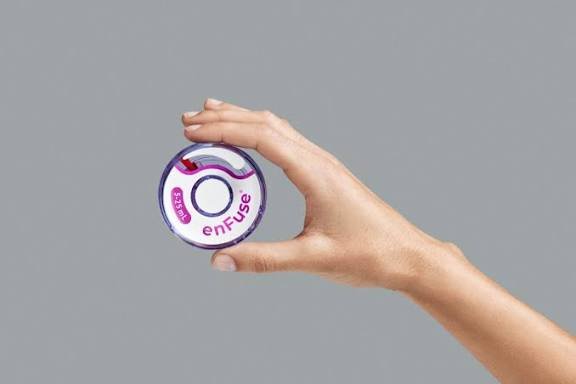
The studies were conducted using Enable Injections’ hands-free OBI, an automated injector designed to deliver subcutaneously high-volume medicines with the push of a button, to administer Sarclisa Escena. The OBI uses a retractable 30g needle that is shorter and thinner compared to the needles commonly used for large-volume injections. The approval of Sarclisa Escena with Enable Injections’ CirCLIQ OBI – developed using the enFuse® platform – offers the potential to change the overall patient experience in MM treatment.
“Sarclisa is the cornerstone of our oncology franchise, and we have always been confident in it being widely adopted as a potential best-in-class therapy,” said Manuela Buxo, Executive Vice President, Head of Specialty Care at Sanofi. “The approval of Sarclisa Escena subcutaneous formulation administered with the CirCLIQ is a definitive step in this direction. More than 70,000 patients worldwide have benefitted from Sarclisa, delivering predictable and important efficacy and safety across multiple combinations and lines of therapy. Today, we are proud to bring innovation that will empower physicians to enhance the treatment experience for patients, offering greater simplicity, flexibility and convenience.”
In addition, the CirCLIQ may streamline the administration process for providers, offering the potential to reduce the physical burden on nurses with a hands-free device and providing more freedom for patient monitoring and interaction.
“The introduction of Sarclisa Escena with the innovative CirCLIQ on-body injector represents a significant advancement in multiple myeloma care,” said Donna D. Catamero, ANP-BC, OCN, CCRC, Associate Director, Myeloma Research; Adjunct Faculty, Mount Sinai Phillips School of Nursing and International Myeloma Foundation Nurse Leadership Board member. “For nurses and physicians treating patients with multiple myeloma, this automated system has the potential to meaningfully reduce administrative burden, simplifying how therapy is delivered and giving healthcare teams more capacity to focus on their patients.”
In the IRAKLIA phase 3 study, the first to incorporate the use of an OBI in the treatment of MM, Sarclisa SC administered via an OBI in combination with pomalidomide and dexamethasone (Pd) resulted in a 71.1% (187/263) objective response rate (ORR), compared to 70.5% (189/268) with Sarclisa IV-Pd, establishing non-inferiority (relative risk 1.008; 95% confidence interval: 0.903-1.126), in adult patients with relapsed or refractory MM (R/R MM) who have received at least one prior line of treatment.
The overall safety profile of Sarclisa SC-Pd observed in this study was consistent with the established safety profile of Sarclisa IV-Pd. While 25% of patients treated with Sarclisa IV-Pd experienced systemic administration reactions, 1.5% of patients treated with Sarclisa SC-Pd experienced those reactions. No new safety concerns were observed, except for injection site reactions (ISRs) that occurred in 0.4% of OBI injections (n=19/5,145 injections). Nearly all ISRs were grade 1, except for one episode of grade 2.
The most common adverse reactions (≥20%) were upper respiratory tract infection, fatigue,
pneumonia, musculoskeletal pain, and diarrhea. The most common hematology laboratory
abnormalities (≥40%) were decreased leukocytes, decreased neutrophils, decreased lymphocytes, decreased platelets, and decreased hemoglobin.
Sarclisa is currently approved across three indications in the US, including in combination with bortezomib, lenalidomide and dexamethasone in newly diagnosed multiple myeloma (NDMM) patients not eligible for autologous stem cell transplant. In R/R MM, Sarclisa is approved in combination with Pd in patients who have received ≥two prior therapies, including lenalidomide and a proteasome inhibitor and have relapsed on the last therapy, as well as in combination with carfilzomib and dexamethasone in patients who have received one to three prior lines of therapy.









© 2026 Biopharma Boardroom. All Rights Reserved.