06 October 2026 | Tuesday | News
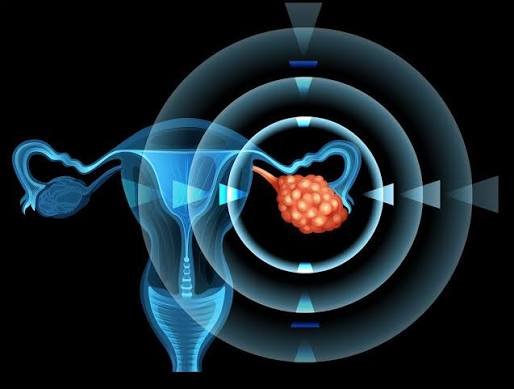
Image Source: Public Domain
Agenus Inc. (Nasdaq: AGEN), a leader in immuno-oncology innovation, announced three-year follow-up results from the ovarian cancer cohort of its 400+ patient Phase 1b C-800-01 trial. The study evaluated botensilimab (BOT), Agenus’ multifunctional, Fc-enhanced anti-CTLA-4 antibody, in combination with balstilimab (BAL), Agenus’ anti-PD-1 antibody. The results, including three-year survival and outcomes by sensitivity to platinum-based chemotherapy and by prior treatment, were presented at the 2026 International Gynecologic Cancer Society (IGCS) Annual Global Meeting in Montréal, Canada.
Among patients evaluable for efficacy, three-year overall survival was 48% (n=35), unchanged from the two-year estimate, suggesting durable clinical benefit in this population. Responses and long-term survival were observed in both platinum-sensitive and platinum-resistant or refractory disease. At the last follow-up, 25% of patients who received at least one dose of treatment (11 of 44) were alive and off all therapy.
These results come from a population with substantial prior treatment. Patients had received a median of four prior lines of therapy, and 66% had received at least four. All had previously received platinum chemotherapy, 77% had received bevacizumab and 57% had received a PARP inhibitor. Nearly three-quarters had platinum-resistant or refractory disease, meaning their cancer had progressed during platinum treatment or returned within six months of it.
“In recurrent ovarian cancer, conventional checkpoint immunotherapy has rarely produced lasting benefit, particularly after the disease stops responding to platinum chemotherapy,” said Rebecca L. Porter, MD, of Dana-Farber Cancer Institute, who presented the data. “What stands out with longer follow-up is the survival plateau in patients who had already received multiple treatments. That pattern suggests that a different approach to activating the immune system may offer some patients lasting benefit, even when treatment options have narrowed.”
Three-year follow-up findings
Overall efficacy results (n=35)
Results by patient subgroup
Safety remained consistent with the known BOT+BAL profile. No new safety signals or treatment-related deaths were reported.
“The most compelling finding is that the survival curve extends beyond two years in women who had already received multiple treatments, including those with platinum-resistant or refractory disease,” said Steven J. O’Day, MD, Chief Medical Officer of Agenus. “We have seen a similar pattern of durable survival in other difficult-to-treat cancers studied with BOT+BAL. This three-year ovarian update strengthens our conviction that the combination can deliver meaningful, lasting benefit to a subset of patients who have had few effective immunotherapy options.”
The three-year ovarian results add to a pattern of long-term survival across difficult-to-treat cancers studied with BOT+BAL. In the broader 400+ patient Phase 1b pan-tumor analysis, estimated two-year survival was 39%. In a separate cohort of patients with refractory MSS metastatic colorectal cancer without active liver metastases, estimated survival was 41% at two years and 33% at three years. These findings are particularly notable in cancers where conventional immunotherapy has historically offered limited benefit.
The consistent and durable BOT+BAL activity in heavily pretreated cancers that are poorly immunogenic or resistant to prior immunotherapy, reinforced by deep pathologic responses in neoadjuvant studies, strengthens the rationale for moving treatment earlier in the course of disease. Before surgery, when the primary tumor and surrounding lymph nodes remain intact, BOT+BAL may have the greatest opportunity to generate lasting antitumor immunity, reduce recurrence and ultimately increase the number of patients who may be cured.
The full presentation can be found on the publications section of the Agenus website at www.agenusbio.com/publications.
BOT and BAL are in development and have not been approved by the U.S. Food and Drug Administration.


© 2026 Biopharma Boardroom. All Rights Reserved.