14 July 2026 | Tuesday | Interview

BriaCell is advancing a new generation of cancer immunotherapies designed to improve outcomes for patients with metastatic breast cancer and other solid tumours. In this interview with BioPharma Boardroom, Dr. William Williams, CEO of BriaCell, discusses the company's Phase 3 Bria-IMT™ program, its personalised off-the-shelf immunotherapy platform, and the opportunities and challenges shaping the future of cancer treatment.
BriaCell's lead candidate, Bria-IMT™, represents a novel approach to cancer immunotherapy. What differentiates this platform from existing immunotherapy strategies for breast cancer, and how does its mechanism of action aim to overcome the limitations of current treatments?
Currently immunotherapy for breast cancer is limited to one subtype of breast cancer, namely triple negative breast cancer. In triple negative breast cancer, an immune checkpoint inhibitor in combination with chemotherapy is approved for treatment of late-stage patients. Immune checkpoint inhibitors work essentially by taking the foot off the brakes of the immune system. They block a molecule called programmed death-ligand 1 (PD-L1) which in turn binds to a molecule called programmed cell death protein 1 (PD-1). This PD-1 – PD-L1 interaction shuts off immune cells such as killer T cells and helper T cells, key components of the immune system in cancer patients. When cancer cells express PD-L1 (have PD-L1 on their surface), they can turn off the helper and killer T cells, thereby evading an immune response. Our novel approach is different because our lead clinical candidate, Bria-IMT, which is currently being evaluated in a Phase 3 clinical trial, has been shown to activate the immune system, and so far, has been shown to work in all the different types of breast cancer. Bria-IMT is a breast cancer cell line that has been genetically modified to make an immunostimulator called granulocyte-macrophage colony-stimulating factor (GM-CSF). The Bria-IMT cells are grown in a good manufacturing practice (GMP) certified manufacturing facility, harvested, and then irradiated so they can't grow anymore. However, the cells are still alive, they just are prevented from replicating or growing. We then freeze the cells down and in the frozen condition they are very stable. When a patient comes in to be treated, we ship the cells overnight to the clinic where medical personnel thaw the cells out and inject them into the skin of the upper back and thighs of the patient. These Bria-IMT cells then activate the immune system including the helper and killer T cells, and these activated immune cells then attack and destroy the cancer cells. Since Bria-IMT is a genetically modified breast cancer cell line, it is able to activate many different types of helper and killer T cells, and therefore it can be used to treat all different subtypes of breast cancer, and not just triple negative breast cancer. We use Bria-IMT in combination with an immune checkpoint inhibitor so that as we are essentially putting the foot on the gas of the immune system, the immune checkpoint inhibitor takes the foot off the brakes, and then together, there will be a synergistic activation of the immune system to attack and eradicate the cancer cells.
Your pivotal Phase 3 registration study for metastatic breast cancer is progressing under FDA Fast Track Designation. Could you provide an update on the program's progress, key milestones ahead, and what success in this trial would mean for both patients and the company?
BriaCell’s pivotal Phase 3 registration study in metastatic breast cancer is designed to evaluate Bria-IMT in combination with an immune checkpoint inhibitor compared to treatment of physician’s choice, essentially chemotherapy given the late-stage of these breast cancer patients. These patients have been on multiple prior failed therapy attempts, and they have advanced disease and a very poor prognosis. Our study is designed in a way to allow us to analyze the interim data, after reaching 144 mortality events (patient deaths). If we see a 40% reduction in mortality on our therapy compared to the treatment of physicians’ choice, we can declare victory and file a licensing application for the full FDA approval of the combination. If we miss a 40% reduction, we have the option to continue the study until we reach 287 events and then take a second look and see if there is a 30% reduction in deaths from Bria-IMT combination versus treatment of physician’s choice. This also would be a positive outcome and in either case (either a 40% reduction at 144 mortalities or a 30% reduction at 287 mortalities) the FDA has told us that this could support full approval for our therapy. This differs from accelerated approval which many other late-stage cancer therapies apply for. With accelerated approval, a company would have to do a confirmatory study. If the confirmatory study is negative, they would have to take their therapy off the market. Our study design should provide full approval, which would not require a confirmatory study. We announced back in May that we have enrolled over 230 patients, and the study continues to accrue patients at a rapid rate. BriaCell’s pivotal Phase 3 study was recently featured in a major journal, Nature Medicine, as one of the 11 clinical studies in 2026 that will shape the way medicine is practiced.
What BriaCell’s success would mean for the patients is that they would have access to a new therapy that prolongs life with a very well tolerated side effect profile. The main side effect we've seen so far is local irritation at the injection sites which goes away in a couple of days. It is unusual in late-stage cancer to have therapies with a good side effect profile that prolongs life, and this would obviously be very important for these patients who have run out of other options. The potential full approval of Bria-IMT would also be transformative for BriaCell since it would be its first approved product and that could generate revenue and a significant re-rate of the company’s equity (NASDAQ: BCTX).
Cancer treatment is increasingly moving toward personalized and combination therapies. How does BriaCell envision Bria-IMT fitting into the evolving oncology treatment landscape, and what opportunities do you see for combining it with other immunotherapies or targeted therapies?
We are already developing Bria-IMT as a combination immunotherapy. So, we are already checking that box. Our hope is to move up into earlier lines of therapy where BriaCell’s Bria-IMT can be used in combination with other targeted therapies as well and foresee that we should have great success in earlier stage patients. Given the well-tolerated nature of our Bria-IMT that we have seen so far, our development pipeline is going in the direction of personalization. We've observed that when patients match Bria-IMT at the HLA type (HLA molecules are the ones that present antigens to T cells and start the immune response), we have greater clinical benefit. So, we have figured out a way to personalize Bria-IMT by genetically modifying our cells to express different HLA types (BriaCell’s personalized immunotherapy or Bria-OTS™), and this is already in the clinic with promising early results. We call this Bria-OTS because the cells, while personalized, are also off-the-shelf (i.e. pre-manufactured or ready for use). We have a third-generation personalized immunotherapy that is coming into the clinic which are further engineered to be even more potent stimulators of the immune system than Bria-IMT and Bria-OTS. We call these Bria-OTS+™. We recently announced that our breast cancer version of this (Bria-BRES+™) has been approved by the FDA for evaluation in the clinic under an investigational new drug application (INDA). We are hoping for very exciting results as we advance these personalized immunotherapies through the clinic.
Beyond your lead breast cancer program, how is BriaCell leveraging its immunotherapy platform to address other cancer indications, and what areas of research or pipeline expansion are you most excited about over the next few years?
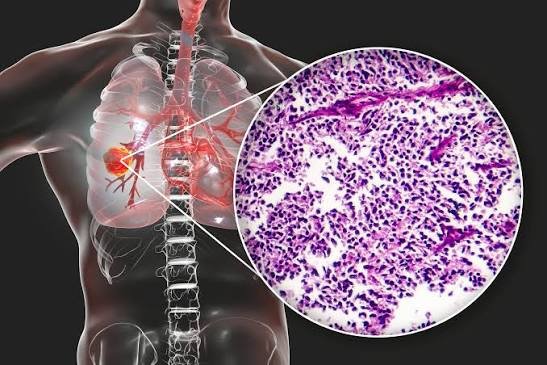
In the answer to question #3, I already alluded to our third-generation Bria-OTS+™cell lines where we personalize our therapy by genetically modifying the HLA type of the cells and also further genetically modify the cells to make them very potent stimulators of the immune system. We do this by introducing genes for what are called co-stimulatory molecules and cytokines into the cells, so that the cells can produce these immunostimulatory molecules, and function as antigen presenting cells. Antigen presenting cells are the cells that start immune responses, and they also shape the immune response. With our genetic engineering techniques, we've seen that these cells have the ability to activate multiple arms of the immune system including the adaptive and the innate immune systems. Our novel immunotherapies activate multiple kinds of immune cells which can then kill cancer cells. This is now a platform technology that we are developing for other types of cancer including prostate cancer (Bria-PROS+™), lung cancer (Bria-LUNG+™), melanoma (Bria-MEL+™), ovarian cancer (Bria-OVA+™), and other cancers. Given the well-tolerated nature of our therapy so far, and the ability of our therapy to potently activate a broad and potent immune response to kill cancer cells in cancer patients, our approach could be transformative for the whole field of cancer therapy.
The oncology sector remains highly competitive, with rapid advances in cell therapy, antibody-based treatments, and AI-driven drug discovery. From your perspective, what are the biggest scientific and commercial challenges facing innovative cancer biotech companies today, and how is BriaCell positioning itself to succeed in this environment?
The biggest scientific challenge for innovative cancer biotech companies has not been fundamentally changed by the introduction of new technologies. The biggest scientific challenge is to develop safe and effective therapies that prolonged lives without adding a burden of unwanted side effects. Given this challenge, we feel that we have positioned ourselves well as we have been developing a potentially safe therapy that appears very effective in prolonging life, and our personalized immunotherapy pipeline has tremendous potential to be even more effective because it is personalized. From a development and commercial standpoint, the biggest challenge is accruing sufficient capital to perform the preclinical, clinical development, and commercialization steps needed for regulatory approval and commercialization of the therapies. Since 2021, biotech has been in a very tough place with companies often trading at valuations below their cash in hand. This makes it very difficult to raise money to perform the studies needed to advance promising therapies. Our hope is that success with our approach will spark additional investments allowing our novel personalized immunotherapies to progress through the stages of preclinical and clinical development and become available for the many cancer sufferers who need these therapies.
Looking ahead, what is your long-term vision for BriaCell, and what developments should investors, clinicians, and patients watch for over the next 12 to 24 months as the company advances its mission to transform cancer care?
We’re expecting the interim readout of our Phase 3 study in 2026, which will of course be a major milestone for the company. It also should have a major impact on the whole field of oncology clinical research and oncology care. This would be the first cellular immunotherapy approved for breast cancer, and one of the few breast cancer therapies that would work across the different subtypes. The off-the-shelf (ready for use) format is novel for cell therapies and is trend setting in the field of cellular therapies in general.
Perhaps even more exciting than our Phase 3 interim readout for Bria-IMT, will be accruing clinical data on our personalized immunotherapy platform technology, Bria-OTS+. Positive data in any one of the indications that we're going after would provide a validation of our approach, and would provide novel fundamental insights in the way we understand the immune system interacts with cancer. This approach would represent a new and effective therapy that is both personalized and off the shelf. This could be a game changer for the whole field of oncology therapeutic development with a great positive impact on BriaCell, the oncology biotechnology industry, the field of cellular therapies, and cancer patients everywhere.






© 2026 Biopharma Boardroom. All Rights Reserved.